2026-08-18 ·
Taylor's Hill
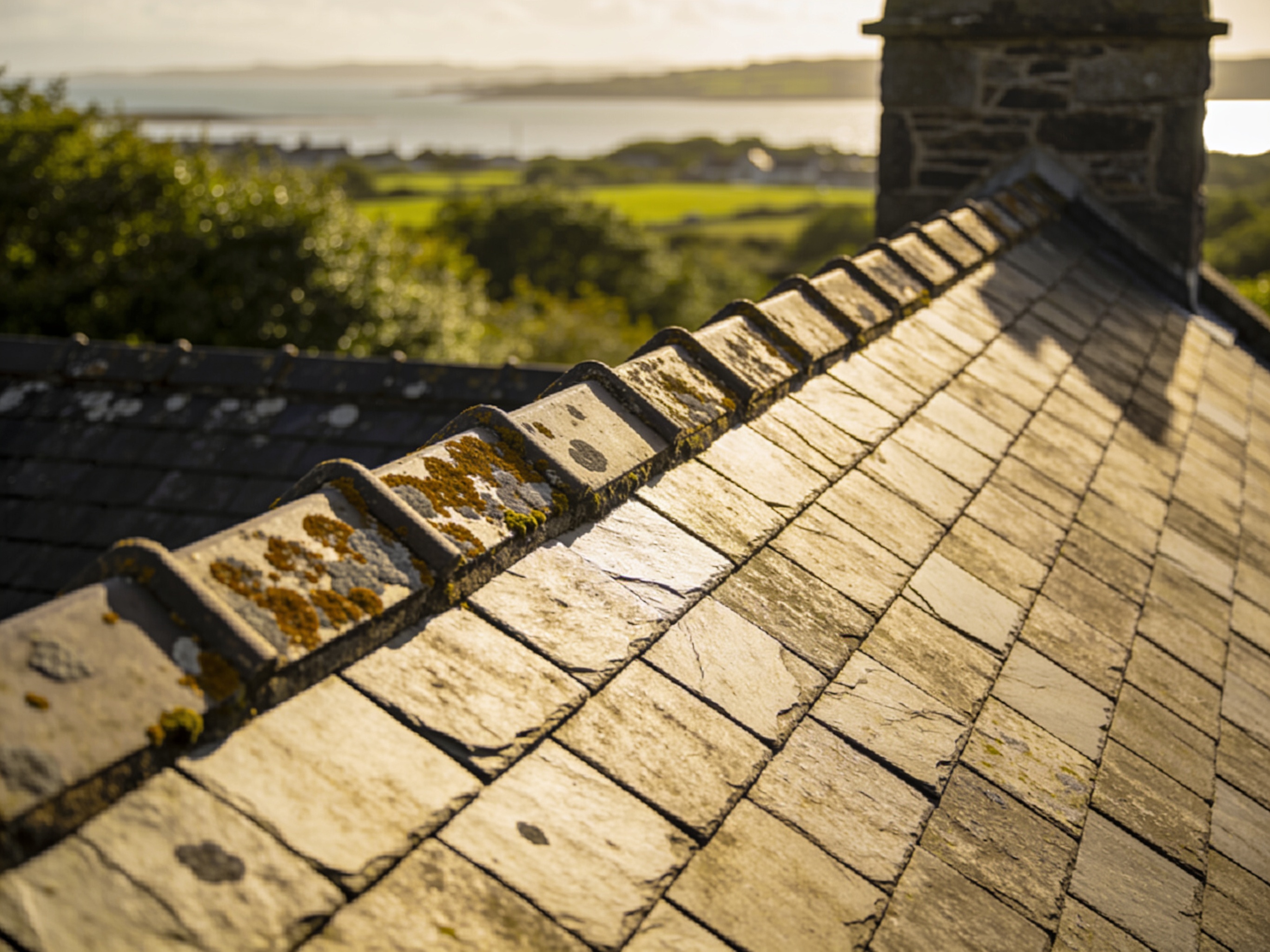
Homes in Taylor's Hill need roof work that accounts for older slate on Victorian terraces and the constant salt air coming off Galway Bay. High wind loads along the hill ridges lift edges and drive water under flashings faster than in sheltered estates further inland.
Atlantic Weather Patterns and Local Roof Stress
Taylor's Hill sits exposed to prevailing south-westerlies that funnel between the bay and the hills. These gusts regularly exceed the design loads on older slate roofs, especially where original nails have corroded. Salt crystals build up on lead flashings and ridge tiles, accelerating deterioration on south-facing slopes. Homeowners notice leaks first at chimney abutments and valley gutters after winter storms. The same conditions rarely affect newer developments in Knocknacarra at the same rate because those roofs use different fixings and underlays. Regular inspection after each named storm prevents small edge lifts turning into full slate runs.
Slate and Tile Conditions on Period Properties
Most Taylor's Hill houses date from the late 1800s to early 1900s and carry Welsh or local slate fixed with single nails. When one nail fails, the slate slips and starts a chain reaction down the slope. Replacement slates must match the original thickness and colour to keep the roof watertight and satisfy planning rules in the conservation area. Modern concrete tiles are sometimes proposed but add weight that older rafters were never meant to carry. Slate & Tile Roof Replacements crews working in the neighbourhood routinely check rafter feet and wall plates before any re-slating begins. This step avoids callbacks when hidden rot appears once the old covering comes off.
Chimney and Flashing Details Specific to the Hill
Many Taylor's Hill chimneys still use original lead soakers that have thinned from decades of salt exposure. Wind-driven rain finds the gaps where the lead has pulled away from the brick. Re-leading these junctions requires stepped flashings cut to the exact rake of the roof rather than generic aprons. Chimney Repairs & Lead Flashing work here often includes new lead trays inside the stack to stop water tracking down the flue. BER assessors note that poorly sealed chimneys also count against insulation scores, so owners combining roof repairs with SEAI grants can improve both weatherproofing and energy rating at the same time.
Practical Maintenance Steps for Taylor's Hill Owners
Walk the roof twice a year, once after the winter gales and again in late summer. Look for slipped slates, lifted ridge tiles and rust streaks on lead. Clear gutters of leaves from the mature trees that line the streets; blocked outlets cause water to back up under the eaves. Keep a record of any work with photos and dates so future buyers see the roof has been maintained. When a slate run starts, act within one season; waiting lets wind shear enlarge the damage across several courses.
Frequently Asked Questions
How often do Taylor's Hill slate roofs need attention? Most require a full inspection every five years and targeted slate replacement every eight to twelve years depending on exposure. Do SEAI grants cover roof work in Taylor's Hill? Grants support insulation upgrades installed at the same time as roof repairs, but the roof covering itself is not grant-eligible. What roof size is typical on a Taylor's Hill terrace? A standard mid-terrace measures around 55–65 square metres of roof plane. Can I mix new and old slate on the same roof? Matching the original thickness and fixing method keeps the roof plane even and prevents differential movement that leads to further leaks.